Cold brew coffee has quietly shifted from niche preference to global staple, and few brands have played a larger role in that transition than Starbucks. What started as a seasonal alternative has evolved into a permanent category that now influences menus, consumer expectations, and even how coffee brands position themselves worldwide.
Understanding what cold brew means at Starbucks is not just a question for customers. It’s a case study for coffee professionals, brands, and partners watching how large-scale coffee culture is built.
Cold Brewing Coffee at Starbucks
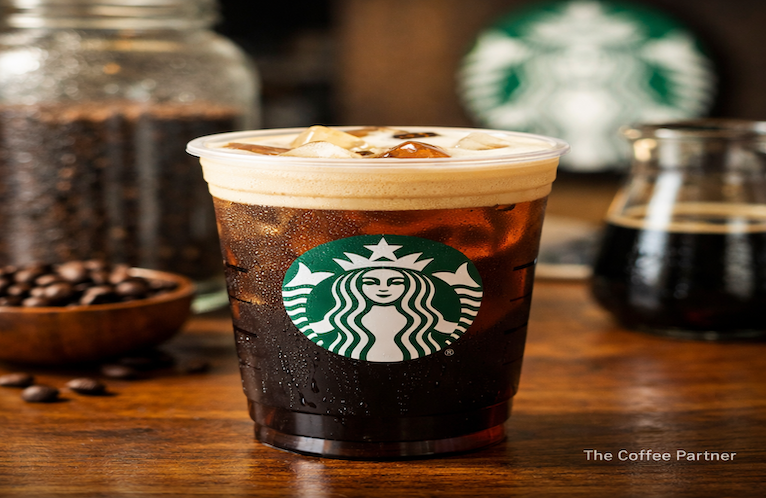
At its core, Starbucks cold brew is coffee steeped in cold water for an extended period typically around 20 hours. Unlike iced coffee, which is brewed hot and then chilled, cold brew is never exposed to heat during extraction. This process results in a smoother, less acidic cup with naturally sweet undertones and a fuller mouthfeel.
Starbucks uses a specific blend designed to hold its character during long extraction times. The result is a concentrate that can be served straight, diluted, or adapted into multiple variations without losing balance.
Why Starbucks’ Cold Brew Tastes Different
One reason Starbucks cold brew stands out is consistency. Cold brewing at scale is not simple; it requires precise ratios, filtration systems, and strict time control. Starbucks standardized the process early, allowing customers to experience the same flavor profile whether they order in Seattle or Singapore.
This consistency also allows for experimentation. Once the base is established, the brand layers flavor, texture, and nitrogen infusion without compromising the integrity of the coffee itself.
The Cold Brew Menu as a Brand Strategy
Starbucks’ cold brew lineup goes beyond a single drink. From classic cold brew to Vanilla Sweet Cream and Nitro Cold Brew, each variation targets a different type of coffee drinker.
Nitro Cold Brew, in particular, reflects a strategic crossover between specialty coffee and beverage innovation. Served without ice and infused with nitrogen, it delivers a creamy texture without milk positioning coffee as an experience rather than just a caffeine source.
Customization plays a central role here. Cold brew acts as a flexible foundation, inviting personalization while maintaining brand coherence.
Cold Brew vs. Other Starbucks Coffee Options
Compared to iced coffee, cold brew offers a smoother taste and lower perceived acidity. When measured against espresso-based iced drinks, it presents a less intense but more rounded flavor, appealing to consumers who want balance rather than sharpness.
This positioning allows Starbucks to place cold brew in a premium tier one that feels intentional, modern, and lifestyle-driven.
Why Cold Brew Matters for Coffee Brands and Affiliates
Cold brew has become a gateway product. Many consumers who once avoided coffee due to bitterness now enter the category through cold brew. This shift opens opportunities across the value chain: beans optimized for cold extraction, brewing equipment, ready-to-drink formats, and educational content.
For affiliates and partners, cold brew is not a single product, it’s an ecosystem. Starbucks demonstrated that success lies not only in the drink, but in how it’s framed, explained, and experienced.
What Coffee Partners Can Learn from Starbucks
Starbucks’ cold brew success highlights three core lessons: scalability requires discipline, education builds trust, and experience sells better than claims. Cold brew is marketed not as a trend, but as a thoughtful alternative grounded in process and quality.
For coffee partners watching the industry evolve, cold brew isn’t just something to serve, it’s something to understand ☕️📈









 Get it on
  Download on the